
23 July 2026
How Much Does A New Roof Cost In Brighton & Burgess Hill? (2026 Guide)
If you have started getting quotes for a new roof in Brighton or Burgess Hill, you have probably noticed the figures jump around a lot - one roofer says £5,000, another says £12,000, and it is hard to know what is fair. That is because “a new roof” covers everything from re-covering a small terraced house to a full replacement on a large detached home, with new timbers and scaffolding on top. Roofing is also one of the biggest home maintenance jobs most people ever pay for, so getting it right matters. Industry figures suggest a well-installed pitched roof should last 50 years or more, so this is a once-in-a-generation spend. This guide breaks down the real 2026 price ranges across Sussex, what actually drives the cost, and how to make sure the quote you accept is a fair one.
What A New Roof Actually Costs In 2026
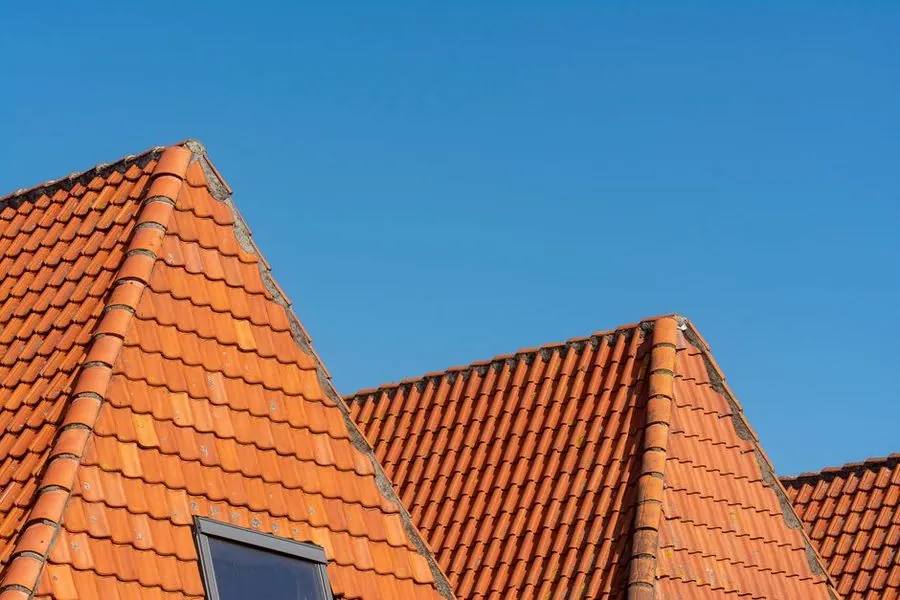
As a broad guide for Brighton, Burgess Hill and the surrounding towns, re-roofing a standard terraced house tends to start from around £5,000 to £8,000. A three-bed semi usually lands somewhere between £7,000 and £11,000, and a larger detached home or a complex roof with multiple pitches can run to £14,000 or more. Those figures include stripping the old covering, new breathable underlay and battens, new flashings, and the covering itself, plus scaffolding and waste removal.
If your roof only needs a section re-covered, or the issue is really just tired underlay and flashings rather than the tiles, you may pay considerably less. The point of a survey is to establish which of these you are actually dealing with, so if you want help weighing up a repair against a full replacement, our new roofs and re-roofing service page explains exactly what a proper strip-and-re-cover involves.
What’s Driving The Price
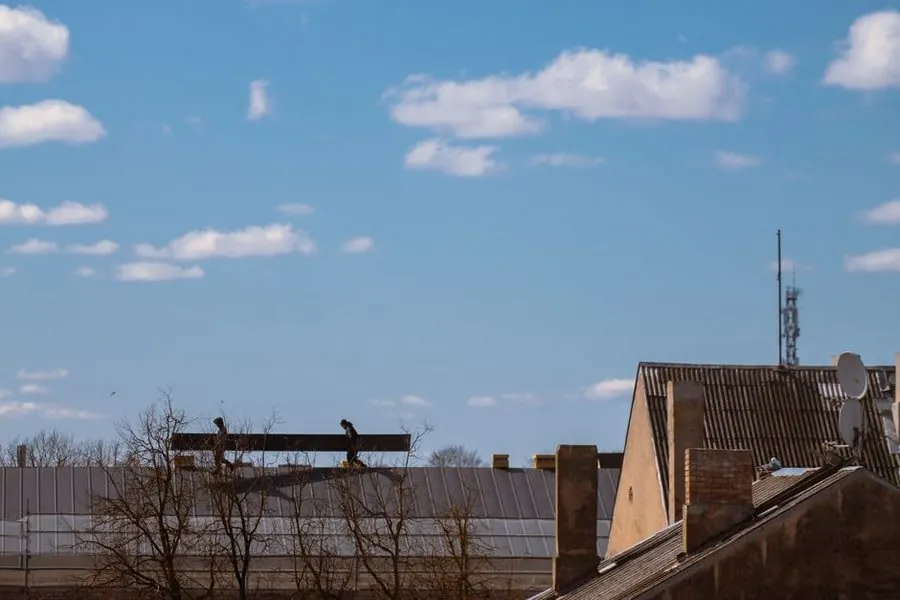
The single biggest factor is the size and shape of the roof. A simple two-sided roof is quick to strip and re-cover; a roof with hips, valleys, dormers and multiple chimneys takes far longer and uses more lead and detailing. Pitch matters too - steeper roofs are slower and need more careful access.
After that, condition drives the cost. If the battens and underlay have failed but the timbers are sound, the job is straightforward. If water has been getting in for years and the rafters have started to rot, replacing that timber adds time and materials. This is exactly why two roofers can quote very different prices - one may have spotted problems the other missed, or one may be pricing to cut corners. A trustworthy roofer explains what they have found rather than just handing over a single figure.
Roof Coverings And What They Cost
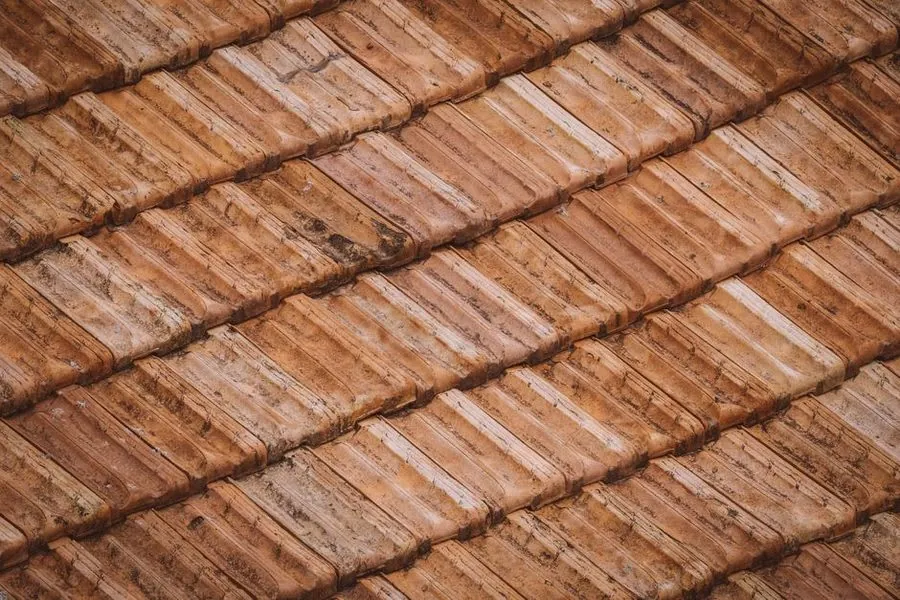
The covering you choose has a big effect on price. Concrete interlocking tiles are the most economical and cover a huge number of Sussex homes. Clay tiles cost more but last longer and suit period properties. Natural slate - common on the Victorian terraces of Brighton and Hove - is the most expensive but can last a century and looks right on an older home. Fibre-cement slates offer a lower-cost alternative that mimics the look of natural slate.
On coastal-facing roofs from Hove to Worthing, it is worth spending a little more on quality fixings and lead, because salt-laden air corrodes cheaper metals faster. Whatever covering you pick, the workmanship on the ridges, valleys and flashings matters more than the tile itself - that is where most roofs eventually leak. The National Federation of Roofing Contractors is a useful place to understand the standards a proper roof should be built to.
Repair, Re-Cover Or Full Replacement?
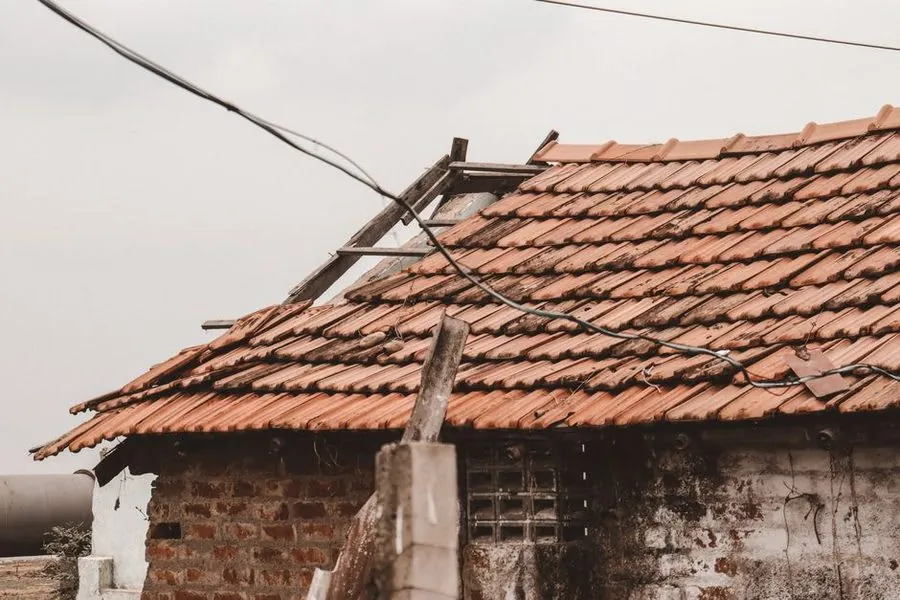
Not every leaking roof needs replacing. If the covering is largely sound and you have a slipped tile or a failed flashing, a roof repair costing a few hundred pounds will sort it. Re-covering makes sense when the tiles are widely slipping, the underlay has perished, or you are getting damp in several places at once and repeated repairs are no longer economical.
A good rule of thumb: if you are calling a roofer out two or three times a year, the roof is telling you it has reached the end of its life. At that point, paying once for a re-roof usually works out cheaper than drip-feeding money into patches - and you get a watertight roof with a fresh 50-year lifespan rather than one that keeps failing. An honest roofer will show you which category your roof falls into.
Scaffolding, Access And Hidden Extras
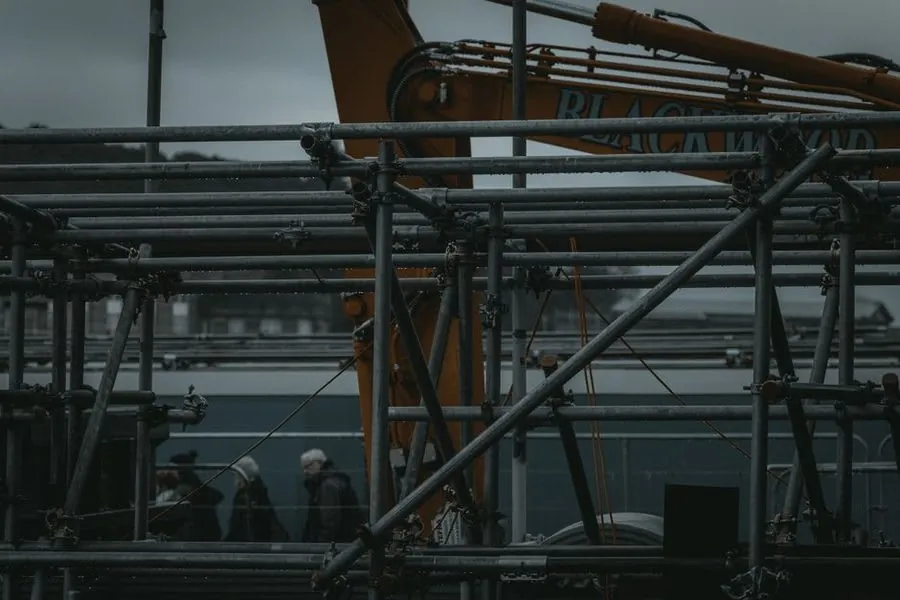
Scaffolding is often the hidden line on a roofing quote. A full re-roof needs proper scaffold access, not ladders, and on a tall terrace or a house on a tight street - common across central Brighton - that can add a meaningful sum. It is money well spent: it keeps the work safe and lets the roofer do a thorough job rather than a rushed one.
Watch for other extras too. Waste removal, new lead flashings, replacement timber and any building-regulations work on insulation should all be spelled out. A quote that seems suspiciously cheap has often left one of these out, so you end up paying for it later. When you compare quotes, make sure you are comparing the same scope of work, not just the headline number.
How To Get A Fair Quote
Always get a written, itemised quote rather than a figure over the phone. It should list the covering, underlay, battens, flashings, scaffolding, waste removal and any timber work, so you can see exactly what you are paying for. Get two or three quotes, but be wary of the cheapest - roofing is a trade where cutting corners is easy to hide and expensive to fix. TrustMark, the Government-endorsed quality scheme, lets you check and find vetted tradespeople, which is worth doing before you commit.
Finally, check the roofer is insured and offers a written workmanship guarantee. A reputable roofer will happily provide both. If you would like a free, no-obligation survey and a clear written price for your roof anywhere across Brighton, Burgess Hill and Sussex, we are always glad to help.
Frequently Asked Questions
How much does a new roof cost in Brighton in 2026?
As a rough guide, re-roofing a terraced house in Brighton or Burgess Hill starts from around £5,000 to £8,000, while a larger semi or detached home typically runs from around £7,000 to £14,000 or more. The exact figure depends on the size and pitch of the roof, the covering you choose, access and scaffolding, and whether any timbers need replacing. The only accurate price comes from a survey.
Is it cheaper to repair a roof than replace it?
Almost always, yes. If the covering is largely sound and the problem is localised, a repair costs a few hundred pounds rather than several thousand. A full re-roof only makes sense when slates or tiles are failing across the whole roof, the underlay has perished, or you are getting leaks in several places at once.
Do I need planning permission for a new roof in Sussex?
For most homes, a like-for-like re-roof is permitted development and does not need planning permission. Listed buildings and some conservation areas - common in central Brighton and Lewes - can need consent, especially if the roof material changes. It is worth checking with your local council before work starts.
Thinking about a new roof? Get a free, no-obligation roofing quote in Brighton or Burgess Hill.
Free Roofing Quote
Talk to N Fullers about your roof anywhere across Brighton, Burgess Hill and Sussex.