
23 July 2026
5 Signs Your Roof Needs Repair Before Winter: A Sussex Guide
Roofs have a habit of failing at the worst possible time - in the middle of a wet, windy Sussex winter, when getting a roofer out is hardest and water damage spreads fastest. The good news is that roofs almost always give you warning signs first, and most are visible from the ground if you know what to look for. A quick check in early autumn can save you a small fortune: the Federation of Master Builders regularly reports that roofing is one of the most common areas where homeowners face unexpected repair bills, and much of that comes down to small faults left until they become big ones. With Brighton, Burgess Hill and the coast taking the full force of south-westerly gales off the Channel, it pays to get ahead of the weather. Here are five signs your roof needs attention before winter sets in.
1. Slipped Or Missing Slates And Tiles
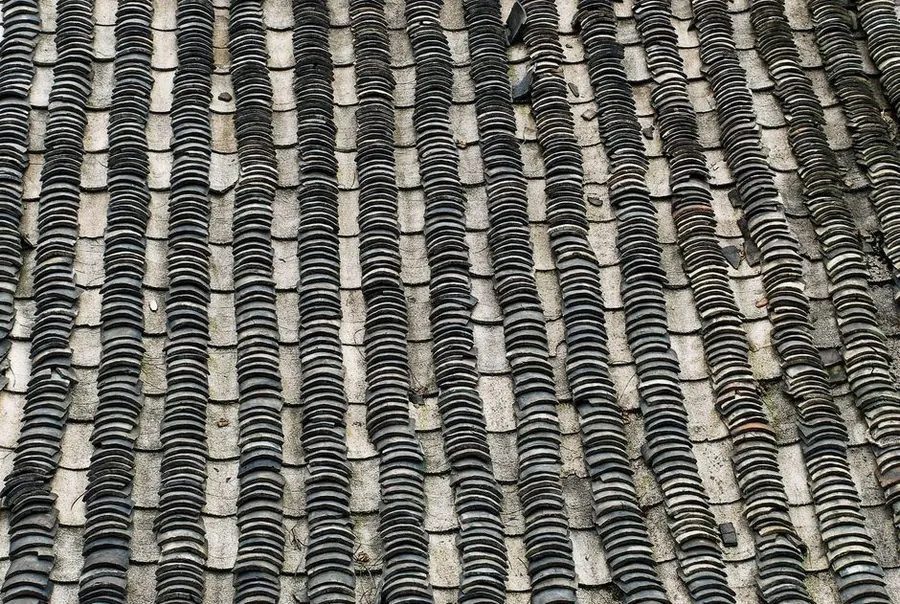
This is the most common and most obvious sign. Stand across the road with a pair of binoculars and look along the roof line: any slates or tiles that have slipped out of line, cracked or gone missing altogether leave a gap for water to get in. On the older slate terraces around Brighton and Hove, slipped slates are especially common because the original iron fixing nails eventually rust through - a problem roofers call “nail sickness”.
A single slipped tile might not seem urgent, but it exposes the underlay and the timber beneath to driving rain. Left over winter, that one gap can rot a batten or let water track into the ceiling below. A quick roof repair to refix or replace the tile is inexpensive; leaving it is not. If you can see daylight through gaps from inside the loft, that is a clear sign water can get in too.
2. Damp Patches And Water Stains Inside
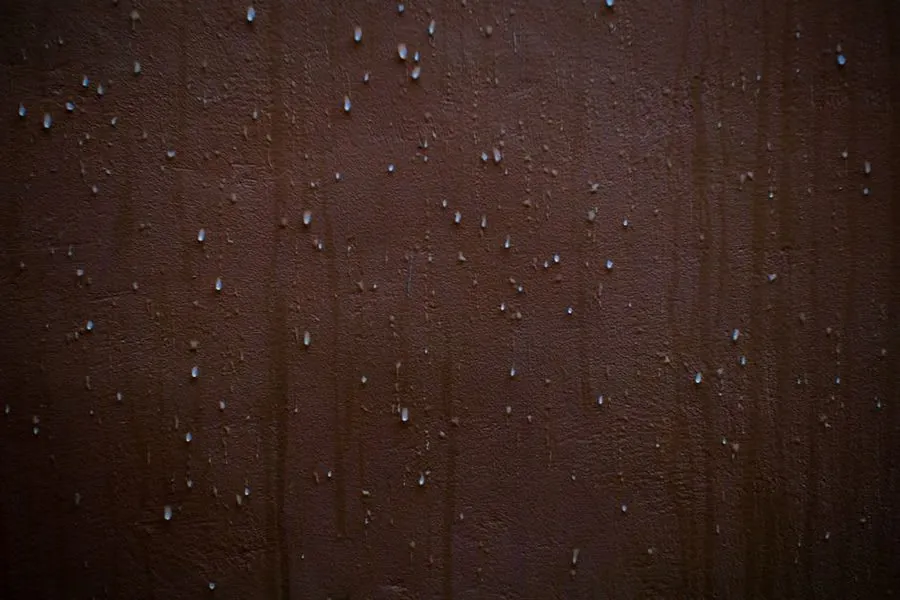
Not every roof problem is visible from outside. Yellowish-brown stains on upstairs ceilings, flaking paint, or a musty smell in a bedroom often point to water getting in through the roof. The tricky part is that water rarely comes in directly above where the stain appears - it runs along a rafter or a felt lap and drips somewhere else entirely, which is why chasing a roof leak yourself is so frustrating.
Check your loft too, ideally after heavy rain. Damp timbers, water marks on the underside of the roof, or daylight where there should not be any all tell you something has failed above. Catching this early matters: persistent damp rots timber, ruins insulation and can lead to far more expensive structural repairs. An experienced roofer will trace the leak back to its real source rather than just treating the stain.
3. Moss, Blocked Gutters And Overflow
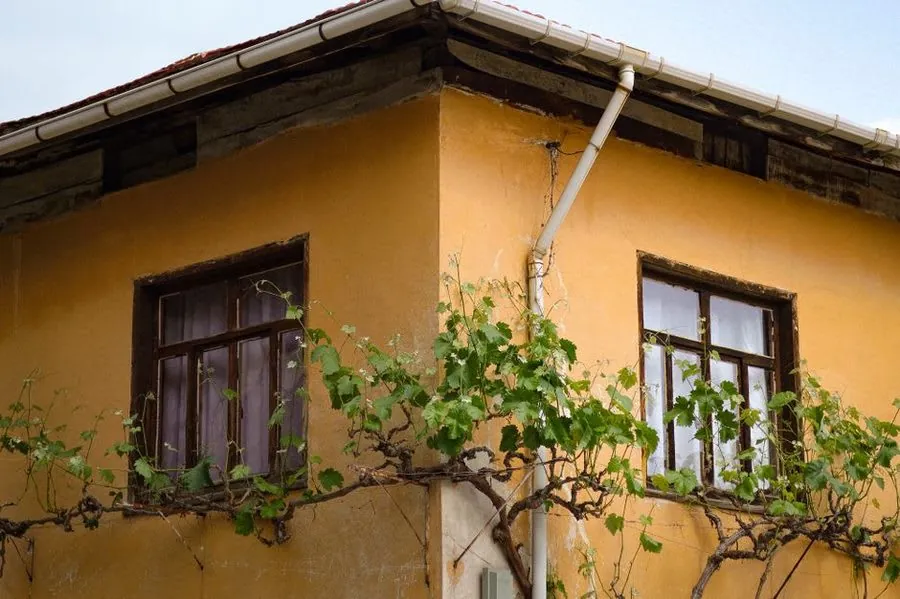
Sussex’s damp climate and heavy tree cover - especially around Haywards Heath and the wooded Weald - make it perfect moss country. A little moss is cosmetic, but thick growth holds water against the tiles, works into the laps, and washes down to block gutters and valleys. Once gutters block, water spills over the edge, down the walls and into the eaves, causing damp and rotting the fascias behind.
Before winter, look for gutters that are visibly full, plants growing out of them, or staining down the wall below - all signs of overflow. Clearing the gutters and removing heavy moss is cheap preventative work that saves a lot of grief. Our guide on what a new roof costs in Brighton shows just how expensive it gets when small maintenance jobs like this are ignored for years and the damage spreads.
4. Cracked Flashings And Chimney Problems
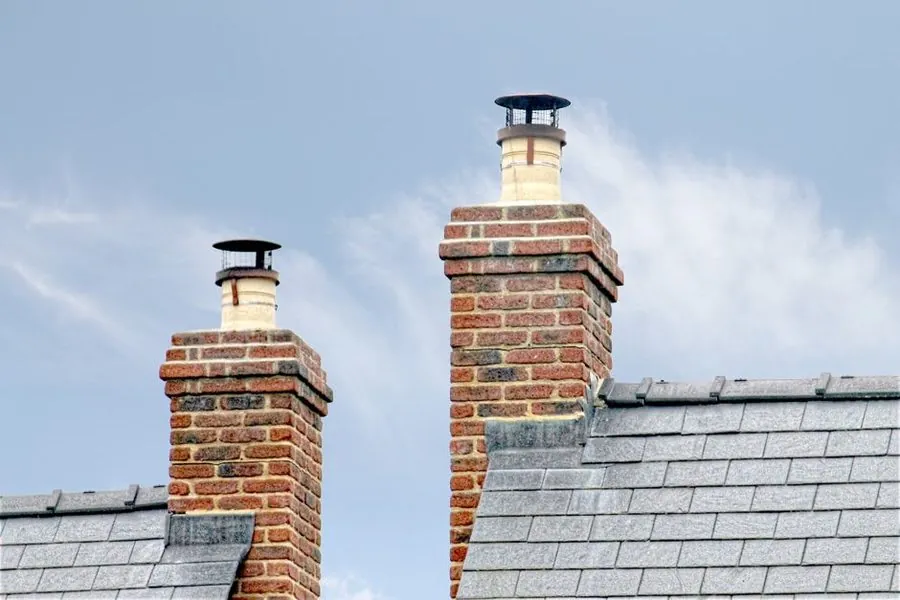
The chimney is the most exposed part of any roof and a very common source of leaks. Look for cracked or missing mortar in the joints, a crumbling mortar bed around the pots, and any sign that the lead flashing where the stack meets the roof has lifted, split or been replaced with a cheap mortar fillet. Damp appearing on a chimney breast inside almost always traces back to one of these.
Flashings around roof windows, valleys and where extensions join the main roof are the same story - the plain areas of a roof rarely leak, but the joins and details do. Frost makes it worse: water gets into a hairline crack, freezes, expands, and opens the crack wider. Sorting chimney and flashing repairs in autumn stops a small fault becoming a winter emergency.
5. Sagging, Daylight And A Tired Flat Roof
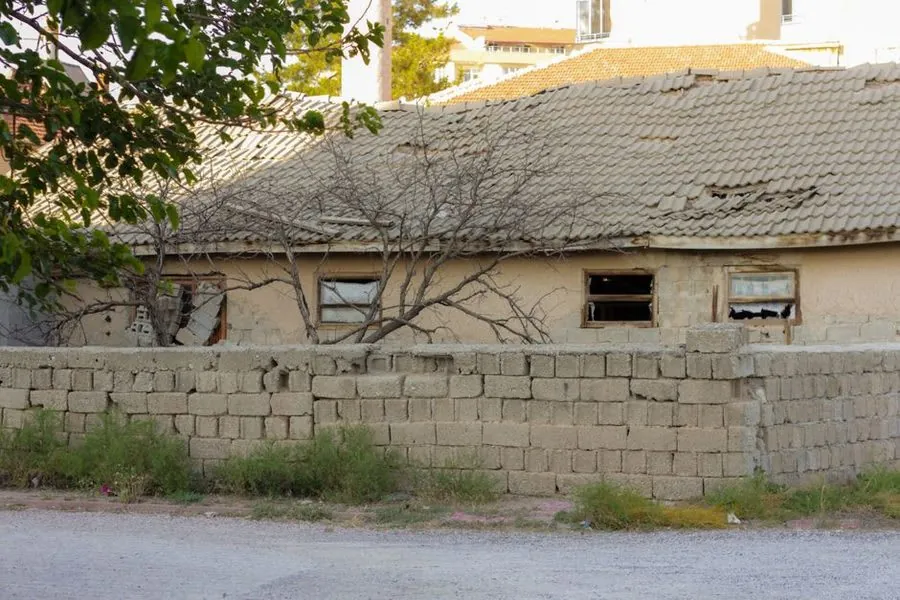
A roof line should be straight. If you can see a dip or a sag along the ridge or the slope, that points to a problem with the timbers or the structure underneath - often long-term water damage - and it needs a professional look sooner rather than later. Sagging is not something to leave over a winter of heavy rain and wind.
Flat roofs on extensions, garages and dormers deserve their own check. Old felt in particular splits, blisters and lets water pool, and Sussex’s wet winters find every weakness. If your flat roof is holding pools of water, has cracks or bubbles, or the surface has gone brittle, it is living on borrowed time. A modern EPDM or fibreglass flat roof is far more reliable. If you are planning to replace one, the Planning Portal explains the rules on roofing work and permitted development.
Why Winter Makes It Worse (And What To Do)
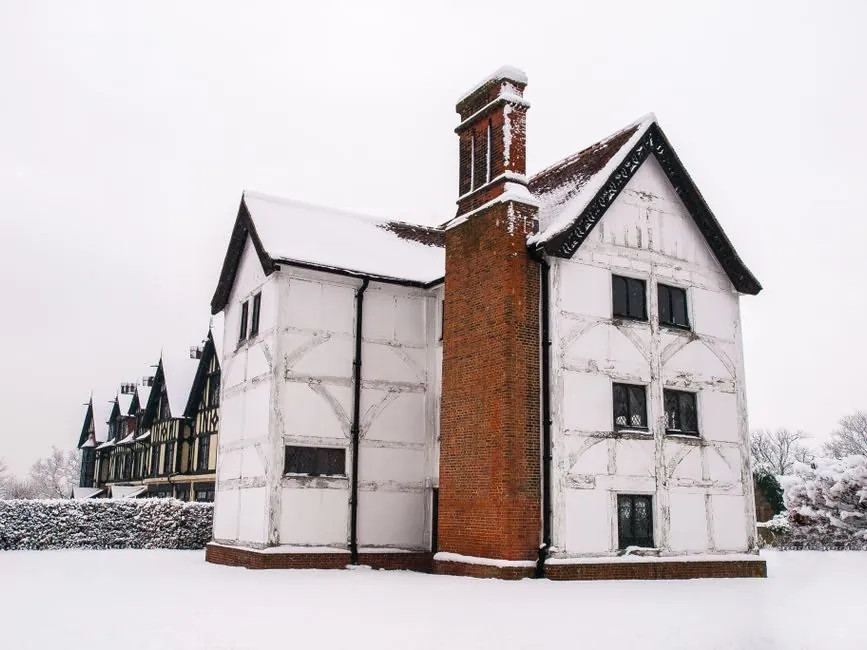
Everything above gets worse in winter. Wind-driven rain is pushed hard against and under the covering, gales lift already-loose tiles clean off, and the freeze-thaw cycle prises open every small crack. A fault that would be a minor repair in September can become water pouring into a bedroom in January. Because so many people leave it until something actually leaks, roofers get busiest exactly when the weather is worst.
The sensible approach is a quick check now, from the ground and in the loft, and a call to an insured roofer if anything looks off. If you would rather have someone experienced take a proper look, we offer free, no-obligation roof surveys across Brighton, Burgess Hill and the surrounding Sussex towns, and we will give you an honest steer on what genuinely needs doing before winter - and what can safely wait.
Frequently Asked Questions
How do I know if my roof needs repairing?
The common warning signs are slipped or missing slates and tiles, damp patches or water stains on upstairs ceilings, moss and blocked gutters causing overflow, cracked flashings or crumbling mortar around the chimney, and any visible sagging. If you spot one or more of these, it is worth getting the roof looked at before winter, when a small fault can quickly become a bigger problem.
Why should I get roof repairs done before winter?
Sussex winters bring wind-driven rain, frost and gales off the Channel. A minor fault like a slipped tile or a hairline crack in a flashing lets water in, and freezing temperatures make cracks worse. Fixing small problems in autumn is far cheaper than dealing with water damage, damp and rotten timbers after a wet, stormy winter.
Can I check my own roof safely?
You can do a lot from the ground with binoculars - looking for slipped tiles, missing mortar, sagging lines and overflowing gutters - and by checking upstairs ceilings and the loft for damp. You should never climb onto the roof yourself; it is dangerous and best left to an insured roofer who has the right access equipment.
Spotted a warning sign? Book a free roof survey in Brighton, Burgess Hill or across Sussex.
Free Roofing Quote
Talk to N Fullers about your roof anywhere across Brighton, Burgess Hill and Sussex.